Scrapbooks and journals
Small phone prints make it easier to keep a journal going because you can add a photo while the memory is still fresh. For scrapbookers, they also solve a common problem: fitting meaningful pictures onto a page without crowding the layout.
Why small prints work so well on scrapbook pages
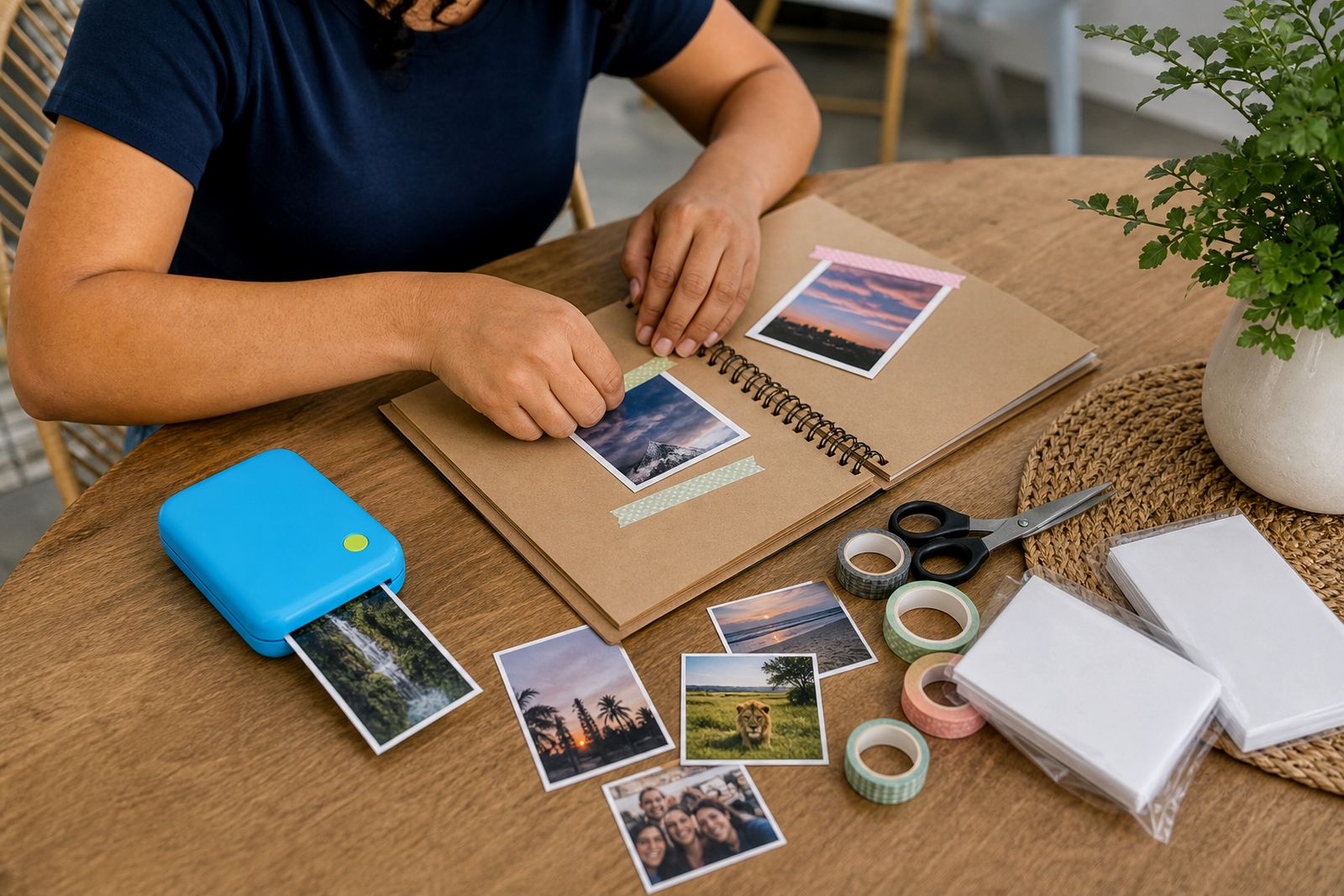
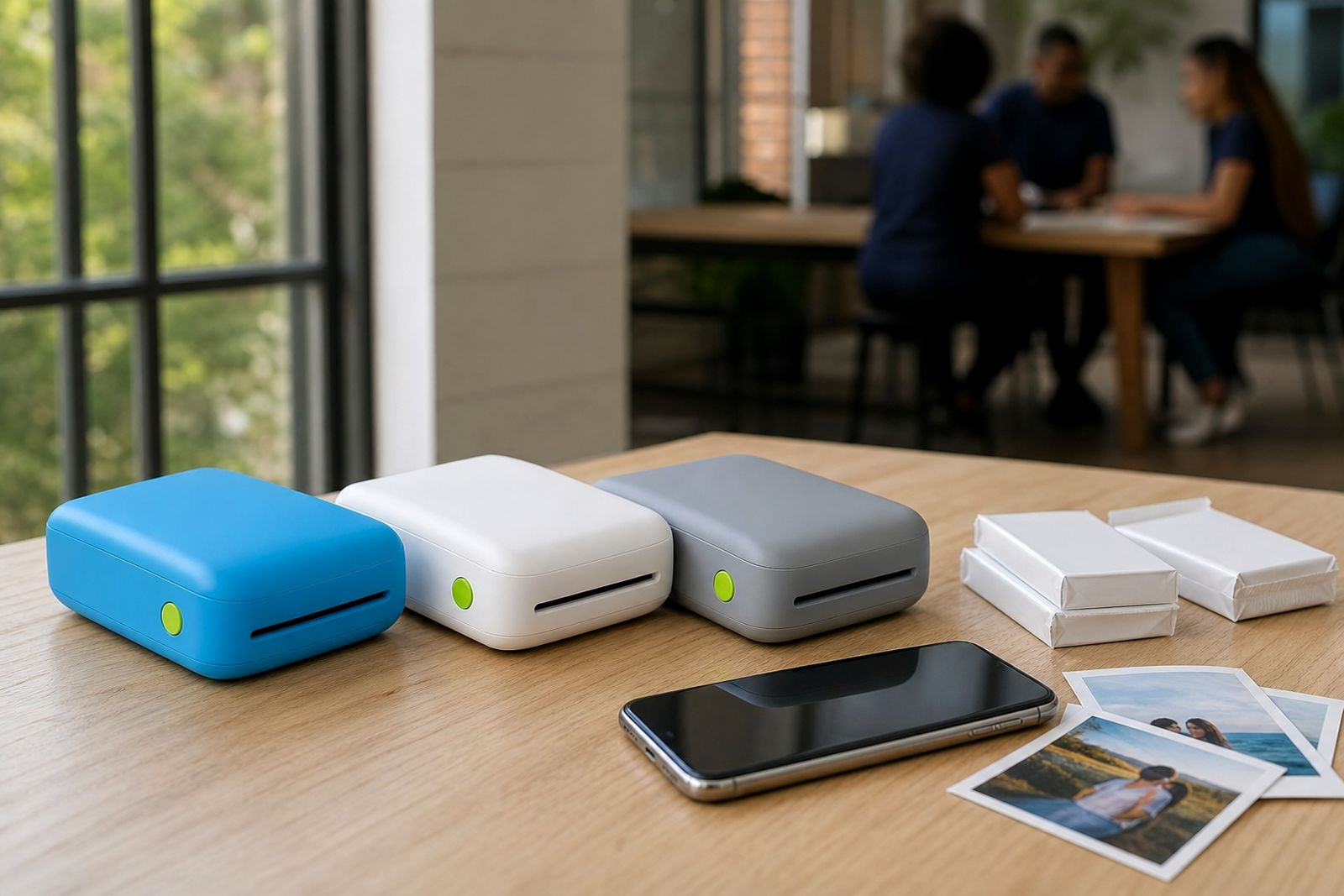
A pocket photo printer suits memory keeping because the print size is naturally easy to place. Instead of building a whole page around one large image, you can mix a few smaller photos with handwriting, ticket stubs, labels and bits of patterned paper. That balance matters in journals where space is limited and in scrapbooks where you still want room for the story behind the picture.
Small prints also help when you are documenting ordinary life rather than only big events. A quick photo of a school lunchbox, the first summer rain in Sandton, a family braai, or a messy craft table can be printed and added within minutes. That makes the album feel more honest and more complete, not only polished special-occasion shots.
- They fit neatly into A5 journals, traveller-style notebooks and standard scrapbook pages.
- They leave room for notes, dates, captions and keepsakes.
- They are lighter to carry to crops, classes or family gatherings.
- They are useful for themed albums such as baby books, wedding guest books or holiday journals.
Choosing between photo prints and sticker prints
For scrapbookers, the choice of paper changes how fast a page comes together. Standard photo paper is a good fit when you want a cleaner finish and when you may move items around before sticking them down. Sticker paper is quicker for casual journals, party books and school projects because the print can be peeled and placed straight away.
Neither option is better in every case. It depends on how you work. Some customers like sticker prints for quick daily entries and use plain photo prints for formal albums where they want more control over spacing, borders and layering. If you enjoy mixed media or textured cardstock, testing one or two sheets first is worthwhile because heavy texture can affect how evenly the print sits.
- Use photo paper for layered layouts, albums and pages with mats or frames.
- Use sticker paper for fast journaling, memory planners and guest books.
- Keep a small mix of both so you can match the paper to the project.
- If you journal often while travelling, sticker prints save time and reduce extra tools.
A simple page formula that keeps layouts tidy
Many scrapbookers stop printing because they overthink the page. A simple formula helps. Start with one story, choose two to four photos, add a short title, then write three or four lines about what happened. That is enough for a meaningful spread. You do not need every page to look the same, but a basic structure keeps the process moving.
One practical approach is to place the photos first and build the rest around them. Try a row of three pocket prints across the middle of a page, or stack two prints on one side and keep the writing on the other. In a journal, one photo plus a note and date often works best. Leave some white space too, it helps the page breathe.
If your phone camera roll is full of similar shots, print the one that tells the clearest story rather than the most perfect image. A slightly imperfect photo can still hold the memory better than a staged one. Thats often what makes a journal entry feel real.
Print quality tips for better pages at home
Good scrapbook pages start before the print comes out. Wipe the phone lens, check brightness, and crop with the final layout in mind. If a face will be very small on the finished print, move closer when taking the photo or crop tighter before printing. Indoor lighting can also shift skin tones, so it helps to preview a couple of images before printing a full batch.
In South African homes, storage matters more than some people expect. In coastal humidity, paper packs should stay sealed until needed and finished prints should be stored flat in a dry container. In inland areas with dust and summer storms, keep spare paper and sticker packs away from open windows and direct sun. During load-shedding, many customers use a charged phone and a portable printer battery to carry on with a journal session after supper, which is handy if your craft time is in the evening.
- Clean the phone lens before important family events or school functions.
- Print a test image first if the room lighting was very warm or very dim.
- Store paper packs in a cool, dry place and close opened packs properly.
- Let prints sit flat before sliding them into tight pockets or albums.
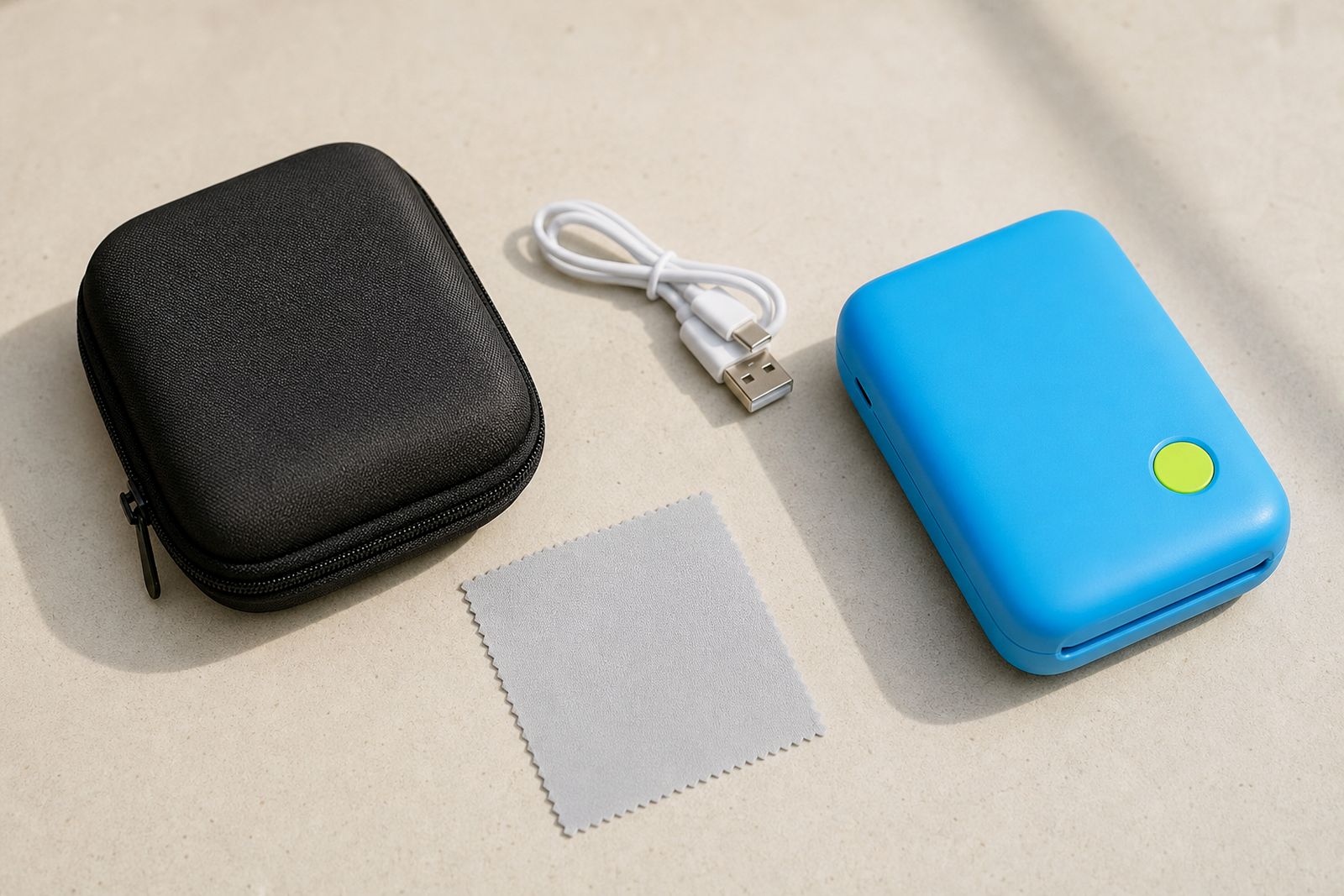
- Keep chargers and cables together in a case so they do not go missing.
A workshop example from Gauteng
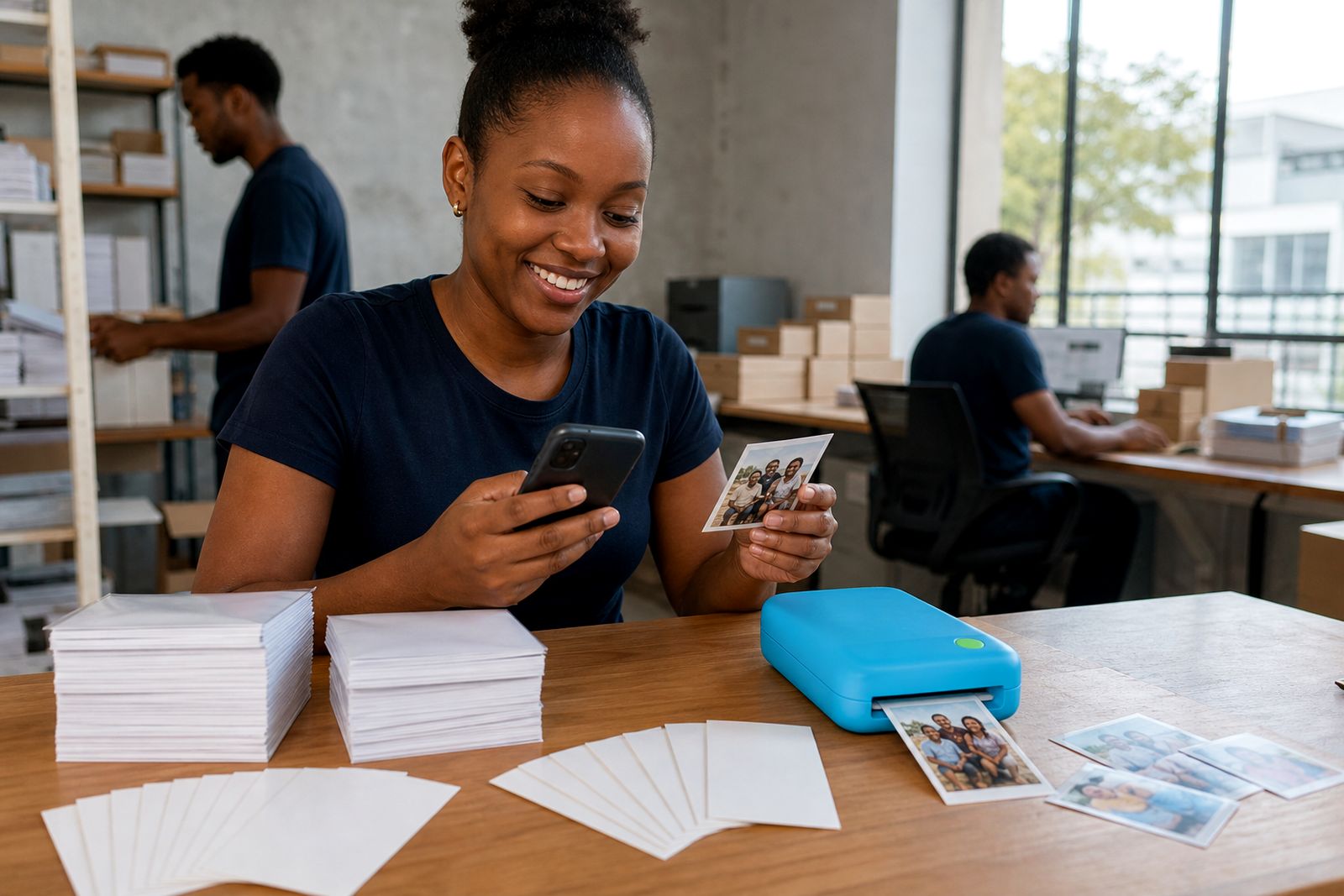
One workshop group we assisted in Gauteng wanted a straightforward way to help attendees complete memory pages during a weekend journal session. The organiser did not want bulky equipment on the tables, and there was limited plug access in the venue. A pocket photo printer setup worked well because each participant could print from a smartphone, trim if needed, and add pictures directly into a journal while the discussion was still fresh.
The most useful lesson from that session was not about decoration. It was about pace. Attendees who printed one or two photos at a time finished more pages than those who tried to select every image first. Keeping the process small made it less intimidating. A few also used sticker prints for headings and tiny accent photos, which sped things up nicely.
That same approach works at home. Prepare a short batch of favourite photos, keep your paper, pen and adhesive in one container, then complete a single spread before moving on. It sounds basic but it stops the project from becoming a pile of half-finished pages.
Good ideas for different kinds of journals
Pocket prints are flexible enough for more than traditional scrapbooks. Teachers use them for classroom memory books. Families use them for holiday journals and birthday albums. Small creatives use them in product inspiration books, market diaries and mood pages. Because the prints are compact, you can build a record over time without filling every page too quickly.
- Family journals: school moments, birthdays, Sunday outings and holiday snapshots.
- Travel notebooks: road trip stops, meals, weather notes and maps.
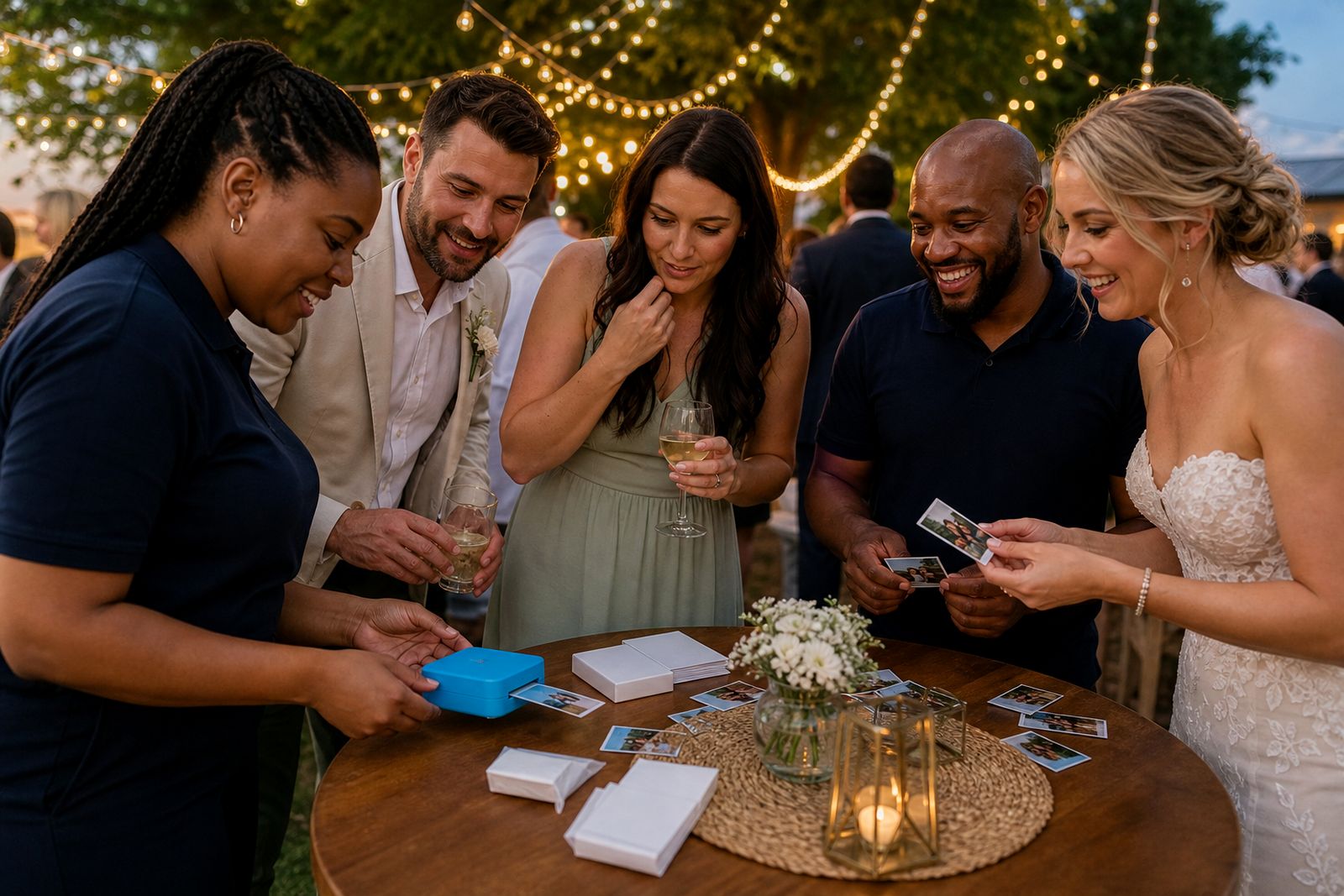
- Wedding memory books: guest photos, messages and behind-the-scenes moments.
- Baby books: monthly changes, favourite toys and first little milestones.
- Creative journals: colour studies, display ideas, packaging tests and event prep.
If you are unsure where to start, choose one theme and commit to a short run of pages only. A six-page mini album or one month of journal entries is manageable and satisfying. Once the routine clicks, the rest gets easier and the supplies dont sit untouched in a drawer.
What our Pocket Photo Printers customers say
Verified Google reviews
Questions we get asked
Are pocket photo printers suitable for serious scrapbooking?
Yes. They are especially useful for scrapbookers who want quick, small prints for layered pages, journals, mini albums and memory books. Many people combine pocket prints with cardstock, handwritten notes and keepsakes.
Can I use sticker paper for journals and planners?
Yes. Sticker paper is a practical choice for journals, planners, school projects and guest books because you can place the print directly without separate adhesive.
Do you help customers choose the right printer and paper?
Yes. We help customers compare printer types, paper options and accessories, and we can guide you through connecting the printer to your smartphone through the enquiry form on our contact page.
Also worth a look
Tell us about the job
Send sizes, materials and where you are through our contact form, and we will come back with the practical options.
Open the contact form